
The perception of parents about orthodontic care has shifted a lot over the past few years. Unlike earlier times when braces seemed necessary only during the teenage years, now parents are using these after early assessment as a means of intervention in order to guide healthy jaw development so that confident smiles can be created for a lifetime. This is why it has become very important for parents to understand when and why orthodontic treatments are needed. For the families who are searching for the best kids’ braces in Gerrards Cross, this guide is going to be of immense help because it will give them an overview of early orthodontic care that covers everything from signs to benefits and realistic timelines that work the best for growing children.
What Is Early Orthodontic Care?
This is often referred to as interceptive orthodontic care that is focused entirely on guiding the jaw growth and tooth alignment effectively while the child is developing. The assessment for it typically begins between the ages of 7 and 9, right during the time when permanent teeth start to emerge, and the growth pattern of the jaws becomes clear.
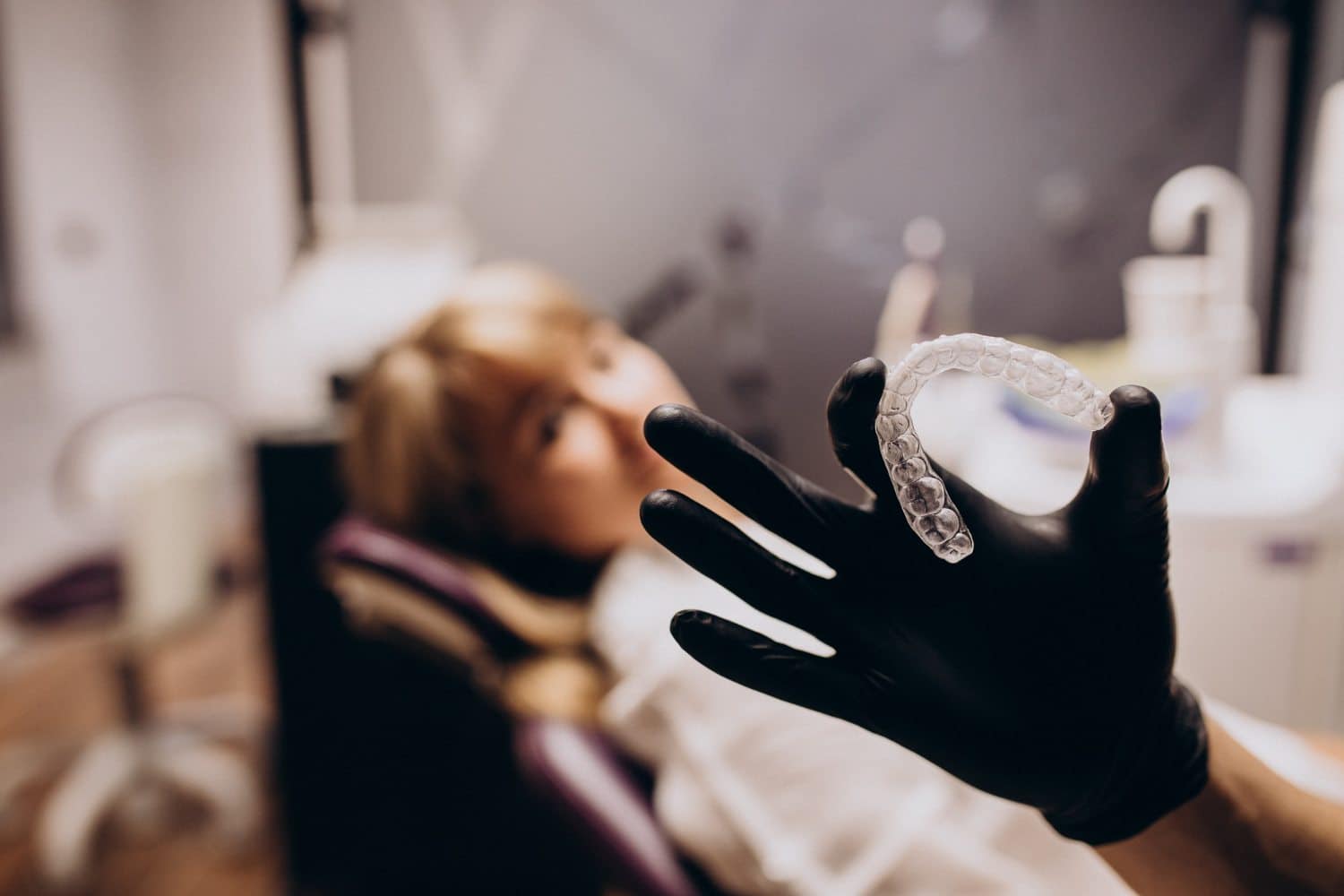
Treatment might not involve braces at this age; rather, the treatment can be more of an orthodontic care that includes proper monitoring, simple appliances, and planning for future treatment at the right time.
Signs Your Child May Need Orthodontic Assessment
In most cases, the orthodontic issues develop gradually, and they are not obvious during the initial stages. These concerns can be identified early with the help of regular dental checkups before they become something very complex. Parents must consider an assessment once they notice:
- Early or delayed loss of baby teeth
- Mouth breathing or thumb sucking beyond early childhood
- Frequent biting of the cheek or the roof of the mouth
- Jaws appear to click, shift, or be misaligned
- Crowded or overlapping teeth
- Difficulty in chewing or biting
- Teeth that prominently stick out.
Professional evaluation will be of much help, even if none of these signs are visible, because that works the best in providing better reassurance and early guidance.
The Importance of Early Care in This Regard
Since the jaws of children are growing, early intervention becomes very effective. With the help of the right care at this stage, the jaw growth can be guided into a healthier position and reduce the need for more invasive treatment in later stages. This way, proper jaw development is supported very effectively with the help of early detection.
The future treatments are simplified to a vast extent when the orthodontic concerns are addressed early on. This approach leads to reduced length and complexity of the braces during the teenage years.
Aligned teeth are always very easy to clean, and they also reduce the risk of decay and gum disease. In addition to the health benefits, the early intervention approach plays a crucial role in boosting the confidence of the child during their formative social years. In most cases, children benefit the most from improved speech clarity, better chewing and digestion, increased self-esteem, and very positive care towards dental care.
Types of Orthodontic Solutions for Children
There is no need for traditional braces for every child, and the treatment options vary based on several factors like age, development, and specific orthodontic needs. Some of the most common early orthodontic approaches include:
- Monitoring and observation that tracks natural development
- Removable appliances that guide jaw growth and correct habits
- Functional appliances to adjust jaw positioning
- Partial braces aimed at specific alignment concerns.
Getting personalised treatment becomes easier during the early stages. In addition, appropriate, comfortable, and effective treatments can be ensured pretty conveniently.
Understanding Orthodontic Timelines
Here is a proper look at the timeline to make sure that the parents enjoy an absolute peace of mind during such treatments.
Phase One: Early Assessment (Ages 7-9)
This stage is more about evaluation rather than just immediate treatment because the goal here is to identify all the potential issues so that the right plan can be made ahead. At this stage, parents can expect:
- Monitoring of tooth eruption
- Preventive guidance
- Growth and bite assessment
- Clear timelines that are very helpful in future treatments, if required.
Phase Two: Active Orthodontic Treatment (Ages 10-14)
This is the time when children with issues need braces or aligners because during this time, permanent teeth emerge while the growth still goes on. At this stage, the treatment involves:
- Ongoing monitoring of progress
- Braces or aligners
- Regular adjustments.
The duration of treatment varies and mostly ranges from 12 to 24 months.
Phase Three: Retention with Long-Term Care
Retainers are used after the removal of braces. These retainers are very helpful in maintaining the results in the long run. The use of retainers ensures:
- Teeth remain in the corrected position
- Long-term stability
- Protection of the investment in orthodontic care.
The Importance of a Local, Trusted Dental Team
Orthodontic care is something that goes on over several years, and its results unfold as the years pass. There is no better way to ensure continuity, comfort, and clear communication throughout the process than relying on a trusted local dental team. Familiar practice in Gerrards Cross means:
- Consistent monitoring of development
- Reduced anxiety among the children
- Highly convenient appointment scheduling
- Highly personalised care plans.
This relationship-based approach works best because it allows dental professionals to understand the needs of every child, and they also support parents with proper knowledge and guidance throughout every step of the treatment.
Supporting Your Child During Orthodontic Treatment
Despite getting access to the best services for kids braces in Gerrards Cross, the role of parental support is pretty significant. Even the simplest habits, often overlooked, can yield significant results. During this stage, parents can help their kids a lot by:
- Encouraging good oral hygiene
- Offering assurance during the adjustments
- Supporting eating habits that are brace-friendly
- Reinforcing the importance of appointments.
In more cases, children are more likely to cooperate confidently throughout the process when the orthodontic care is framed positively.
A Thoughtful Approach to Kids’ Orthodontic Care in Gerrards Cross
For all the families that are exploring kids’ braces in Gerrards Cross, understanding all the stages of treatment and other fundamentals will be very important. With a dedicated and experienced team like Peter Brash Dental Care, getting family-focused orthodontic care has become easier than ever. Start with a positive step towards a healthy and confident smile that will last through your adulthood with the right support.