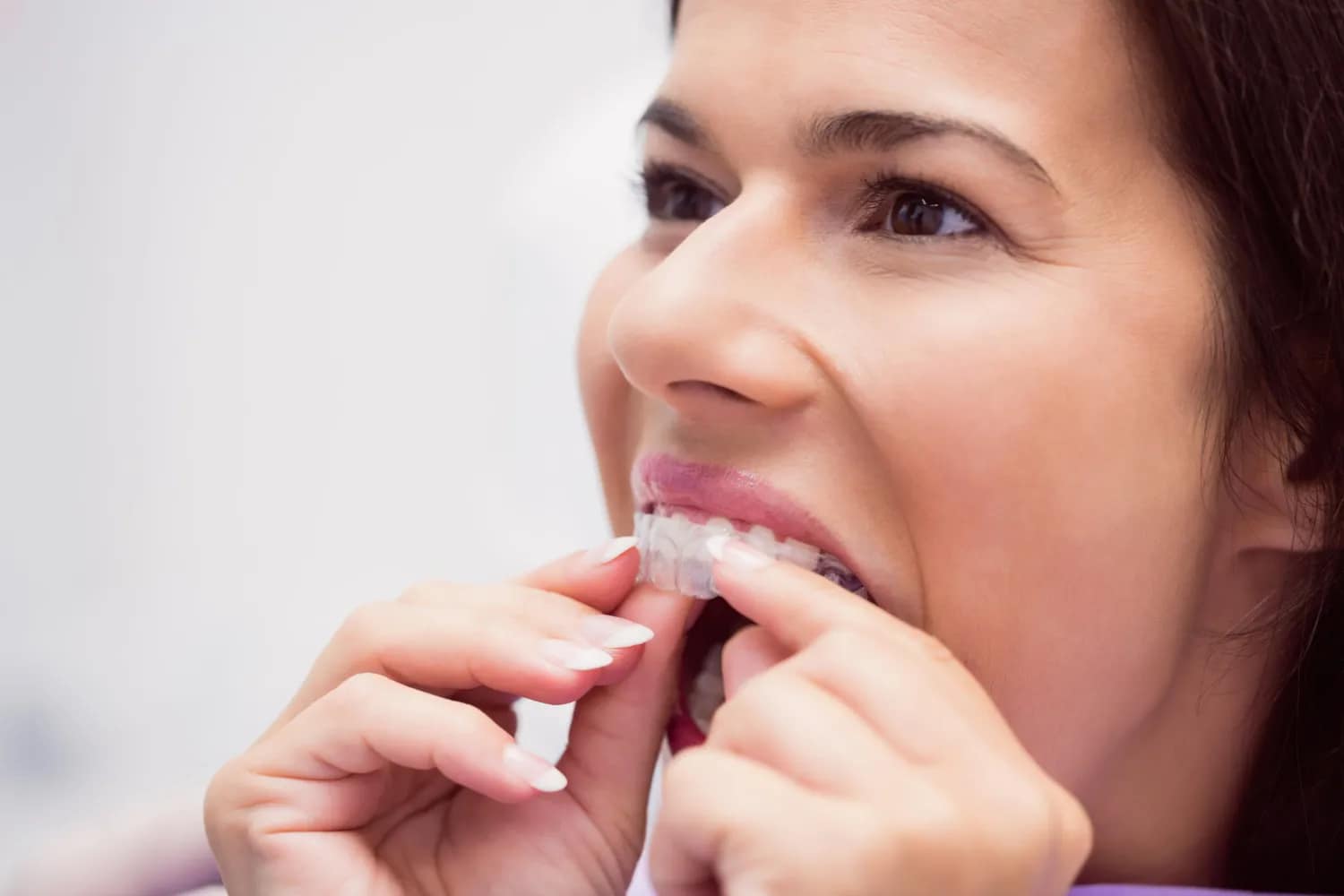
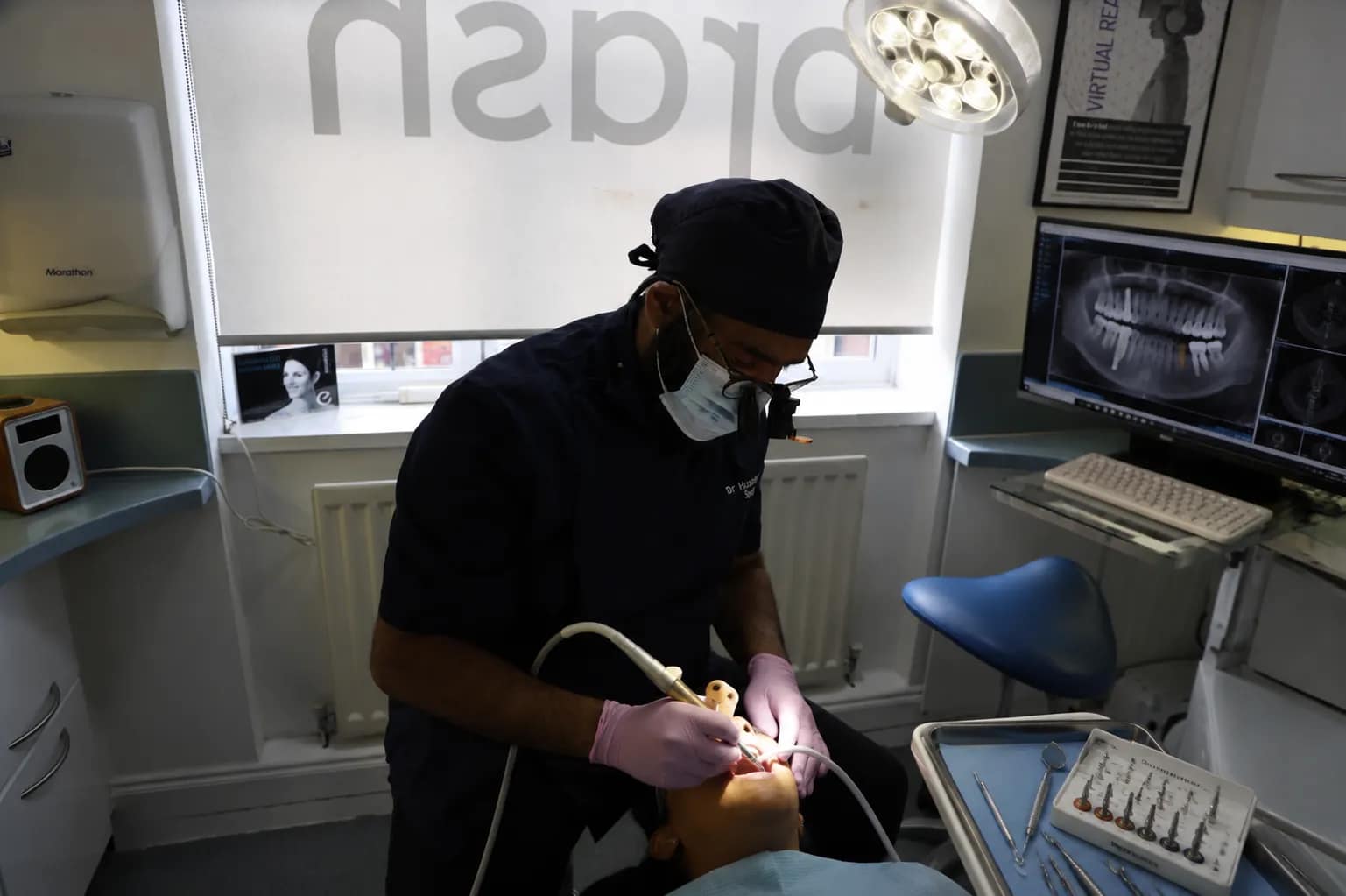
Dental implants, in the majority of cases, are viewed in association with improving the appearance of a smile or restoring missing teeth. There is absolutely no doubt about the aesthetic benefits of these treatments, but several other prominent and long-term health advantages are still less widely understood. In reality, missing teeth always impacts much more than just visual appearance. It is only after considering the consequences in the long run that one finds out about the widespread impacts of tooth loss, i.e., influence on jawbone, bite stability, health of surrounding teeth, and facial structure. As awareness of people around these multi-faceted implications is increasing, people’s interest in dental implants keeps on growing as well. Let us explore the other key benefits of dental implants that usually don’t get much attention.
Tooth Loss Affects Jawbone More Than Many People Realise
One of the most obscure impacts of tooth loss is on the jawbone, in general. During chewing and biting activities on a daily basis, the natural tooth plays an important role in stimulating the jawbone. This stimulation, in turn, promotes the jawbone density and ensures its proper health in the long run.
When a particular tooth is lost, the jawbone beneath it no longer receives the usual stimulation on a daily basis. Hence, the body starts reabsorbing the bone tissues from that region because it is no longer in use actively. Such a process is called bone resorption, and it usually continues for many years after the tooth loss.
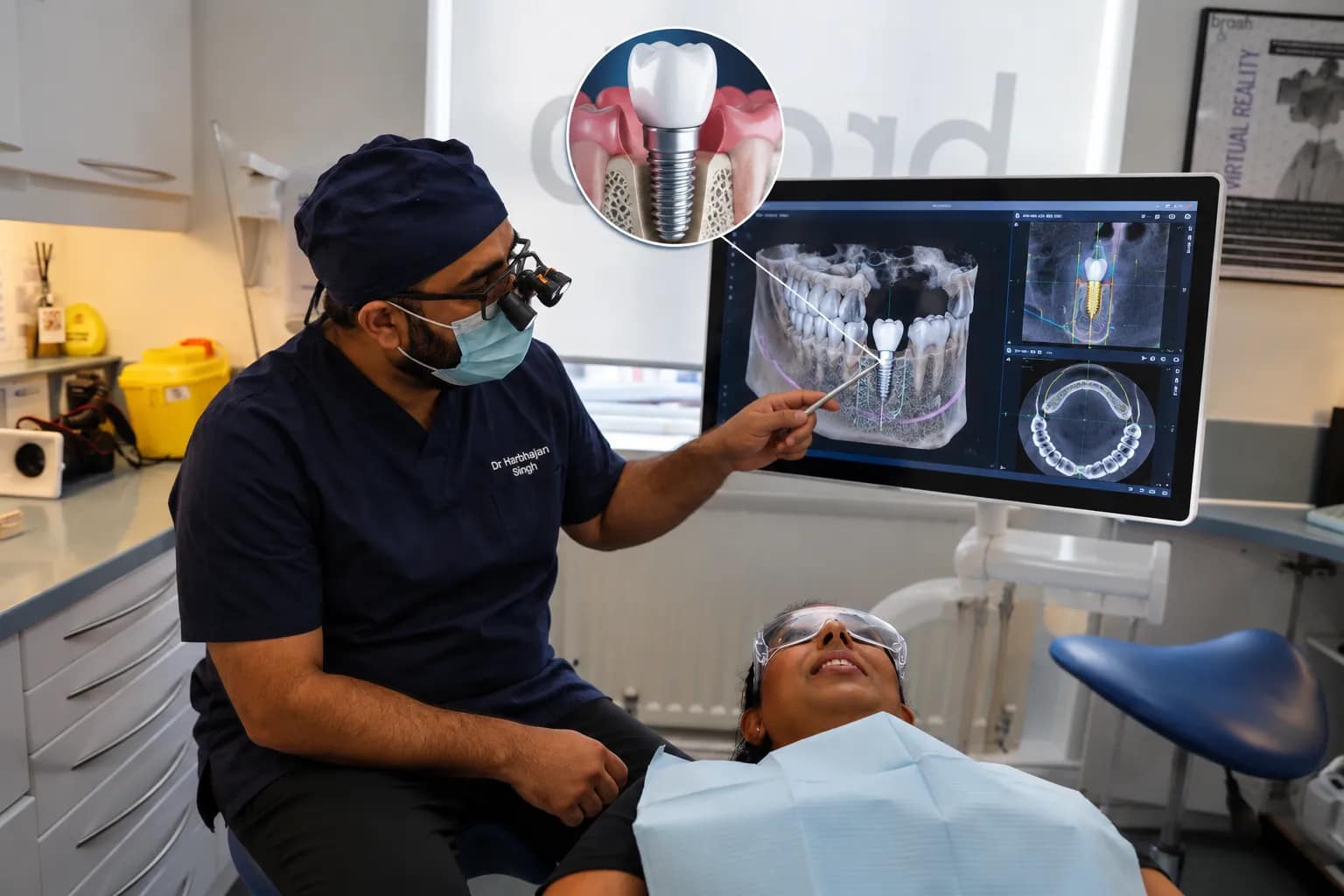
Hence, dental implants are very effective and unique because they replace the visible tooth on one hand while keeping the root structure healthy on the other. As the tooth integrates with the jawbone, it plays a key role in restoring the functional stimulation during chewing, which reduces further bone loss in the affected area.
Jawbone Preservation Supports Long-Term Oral Stability
What complicates the situation further is that the jawbone loss is not limited to the immediate area only (where the tooth was lost). This reduced bone density, over time, ends up influencing surrounding teeth and the overall oral stability. People, in most cases, fail to notice this impact until it’s too late because of its gradual nature.
With the jawbone weakening, the neighbouring teeth start becoming more vulnerable to shifting and movement simply because the supporting structure around these teeth starts to change. This situation worsens further in the case of multiple teeth lost for extended periods.
Dental implant placement is very important in supporting greater stability across the surrounding oral environments, as it helps a lot in maintaining bone structure. As a result, people get a more balanced bite, and the unnecessary strain on nearby teeth is also reduced over time.
That’s why patients who come to Peter Brash Dental Care for dental implants in Buckinghamshire are starting to realise how important it is to protect their oral structure from the early stages, rather than waiting for worse damage to develop later on.
Dental Implants Prevent Facial Structure Changes
This is another less-known consequence of missing teeth, i.e., their gradual impact on facial support and appearance. One’s jawbone is a significant part of the structural foundation of the lower face, and when the bone resorption occurs due to tooth loss, the facial contours also start changing.
These changes lead to issues like:
- A more sunken appearance around the mouth
- Changes in lip support
- Increased appearance of facial ageing
- Reduced facial volume.
The biggest issue is the fact that these changes occur very gradually, which means people usually are unable to notice them right after the tooth loss. But when the issue is left unaddressed for long enough, it ends up impacting the majority of the facial structure.
Dental implants support the jaw structure beneath in a very effective way by integrating directly with the bone. As a result, they maintain this support and contribute to preserving the natural facial proportions, thereby helping the lower face retain its complete and more balanced appearance.
As more and more patients are seeking restorative solutions for supporting their oral functions and long-term facial integrity, the above-mentioned aspect has become a major point of attention.
Prevention of Further Tooth Loss Becomes Easy with Effective Dental Implants
Another major advantage of dental implants is their ability to protect the remaining teeth from future complications. Every time a tooth is lost and is not addressed quickly, the surrounding teeth take the toll as they start to shift gradually towards the space. The movement is minor in the beginning, but over time, it ends up impacting bite alignment, creating uneven chewing pressure, and increasing the strain on the neighbouring teeth.
When the teeth shift out of their natural position, some areas of the mouth start experiencing excessive force during activities like biting and chewing. It’s a type of imbalance that weakens the surrounding teeth and supports structures that can potentially increase the risk of instability, wear, and additional tooth loss in the long run.
At Peter Brash Dental Care in Gerrards Cross, patients receive the highest standard of care for dental implant placement. The specialists carefully maintain proper spacing and fill the gap with a strong, stable replacement that functions just like a natural tooth root. In doing so, the implants help keep the surrounding teeth in their correct positions and support a well-balanced bite over time.
Conclusion
People need to look at dental implants in Buckinghamshire as something that offers much more than just aesthetic improvements for missing teeth. In addition to that, these implants play a major role in supporting jawbone preservation, maintaining facial structure, improving the chewing function, and stabilising surrounding teeth. A combination of all these oral health benefits makes dental implants one of the most comprehensive and restorative solutions that are available in the world of modern dentistry.
With growing awareness of these benefits, which were not well known earlier, the number of patients who choose appropriate replacement of missing teeth early to protect long-term oral health and facial features is also increasing. At a broader level, modern treatments of this category are being highlighted for their restorative procedures and as the best investment to retain long-term dental structure, comfort, and overall quality of life.