
Everyone loves a smile, and the day people get rid of their final aligner is like a highly anticipated finish line. But then starts a very new phase for newly aligned teeth, which some people don’t take very seriously. Those who have put a lot of effort into picking the most suitable option from the list after typing ‘best teeth straightening near me‘ should be well aware of how long such treatments usually last. However, retention is the stage that is all about maintaining the position of teeth that are just aligned, and it is just as important as the alignment phase. This guide is going to be about the importance of retainers and what makes them a part of the treatment rather than an afterthought.
Retention Is a Part of Treatment, Not Something Optional
Unlike what most people think, teeth are not completely fixed in the jaw. Taking a closer look at the anatomy reveals that teeth sit in bone, and soft tissues like gum fibres hold them in place. These gum fibres stretch and remodel with the movement of teeth. When the alignment phase is over, the teeth acquire a new position; in that case, they should be given enough time to settle around those positions. During this settling phase, teeth have a tendency to drift back to their previous positions, which is stopped by the use of retainers.
As the gum fibres become stable, a retainer makes the teeth steady. In simple words, these are the means to protect the results gained during the alignment phase. Those who ignore retainers are simply exposing their freshly aligned teeth to the risk of drifting back.
Fixed Retainers
These are supported by thin wire and are bonded to the back of the teeth. Since they can’t be taken out, using them does not require one to remember about wearing or taking them out. This way, fixed retainers work perfectly around the clock.
The challenge associated with these is linked to cleaning. Whether it be plaque or tartar, it can easily accumulate around the wire, which means extra attention needs to be paid on a daily basis. Those who are wearing these should brush carefully, especially along the wire, and also use floss threaders or interdental brushes if needed/appropriate.
Removable Retainers
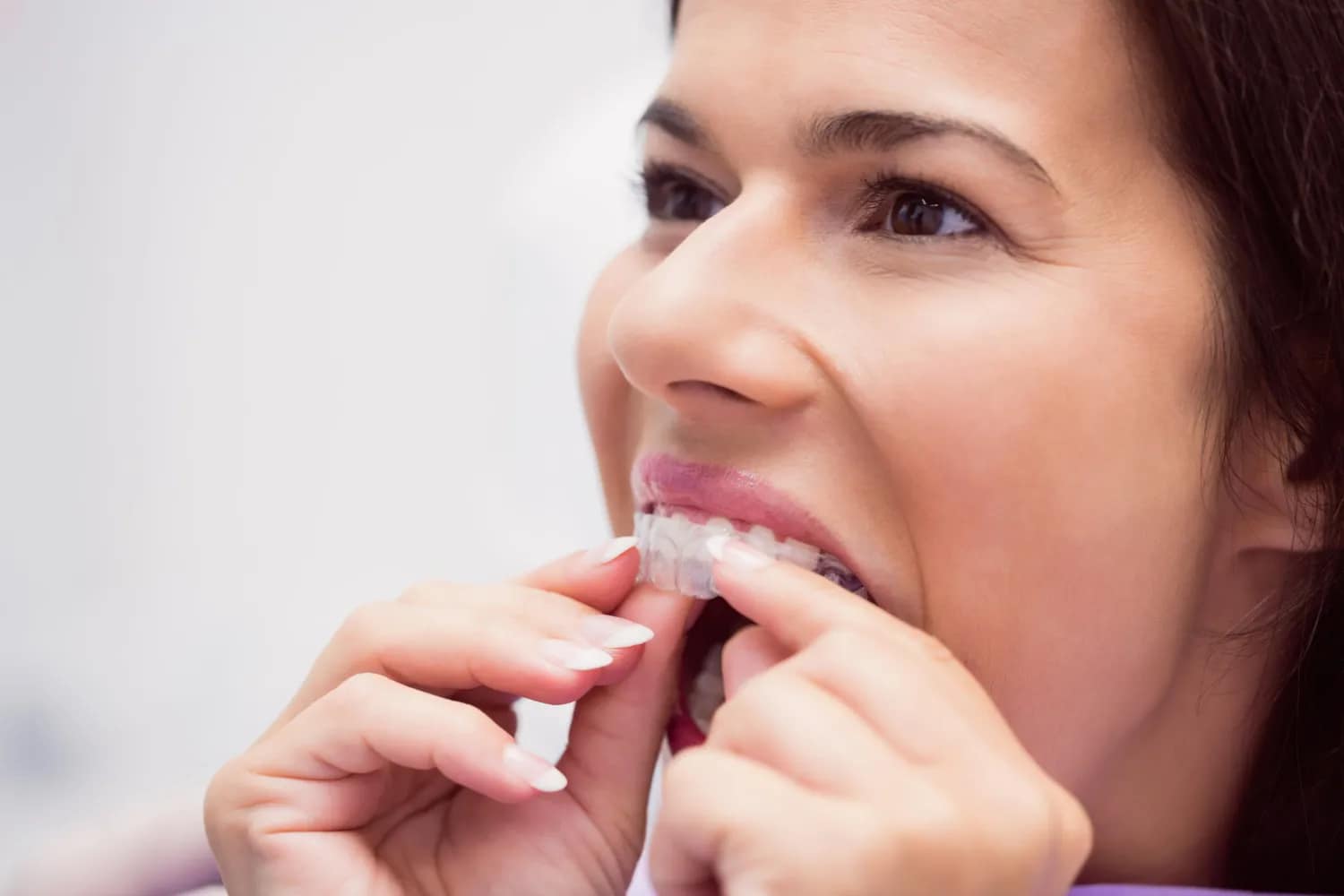
Removable retainers are made from clear plastic that usually fits snugly over the teeth and is visible like a thin aligner. Usually, these are not noticed that much. These are pretty easy to clean and maintain, but they require one to follow a proper schedule when it comes to wearing the retainer on a daily basis. In addition, careless handling can make these pretty easy to lose or prone to damage. As a result, one needs to build a set of habits around these retainers, like following the prescribed schedule, storing the retainers properly when not in use, cleaning routinely, and keeping them wrapped in a napkin.
Properly Following the Wear Schedule
This plan differs from person to person based on their condition. Orthodontists may prescribe one to wear these for much of the day, at night, or throughout the night. Whatever the schedule, one needs to strictly adhere to it to retain the results obtained by alignment. Following a general rule is not recommended; rather, one should focus on the plan prescribed to them.
In addition to that, one should not stop simply because the teeth start to feel fine. In case the retainer starts to feel tight after a few missed days/nights, it must be discussed with the dentist because it indicates that the teeth have started to move.
Cleaning the Retainers
Use a soft brush to clean these retainers with cold water. They must be properly rinsed after every meal. Heat can easily warp the plastic, which means hot water should be avoided. Some people claim that gentle soap works for cleaning retainers, but one should use only retainer-cleaning products. Some toothpastes can also be abrasive, so your toothpaste needs to be checked by the dentist before using.
What If a Retainer Becomes Uncomfortable?
It is pretty common to face problems while using retainers. In case a removable retainer is lost, one should contact the dental practice quickly because teeth start shifting within days. More waiting means more risk.
If the retainer has been damaged, it should not be worn, as it may not fit properly, and sharp edges formed due to damage can cause further issues. Trying to repair these by oneself is not possible, as it demands a dentist’s attention.
Fixed retainers sometimes become loose, or the wire breaks. In that case, their effectiveness decreases, in addition to the discomfort created for the tongue or cheek. It demands prompt attention rather than trying to bend it or glue it. In the meantime, one can cover the sharp ends with orthodontic wax if possible and also avoid biting hard foods.
Those thinking about the discomfort associated with wearing these should know that mild tightness is common for the initial days. However, if they experience persistent sore spots, rubbing, or a fit that suddenly starts to feel pretty different, these are not general discomforts, and they need to be addressed. When the retainer does not fit properly, it means teeth have moved, and that needs prompt assessment before anything happens.
The Achieved Smile Needs Proper Protection
Getting a straight smile demands investment, and this investment is best protected with the help of retainers. Peter Brash Dental Care is here to ensure a tailored approach for all those who are looking for the best teeth straightening near me. Whether one’s teeth need straightening or they require guidance regarding retainers, this is a competent clinic for excellent help.